 Tuscan
Why You Shouldn't Drive in Tuscany on a Food and Wine Holiday
You picture it before you land: a small car, a white gravel road between cypress trees, the window down, a bottle of something red waiting at the end of the lane. It is a lovely picture. It is also the reason a lot of food and wine holidays in Tuscany end up a little less lovely than they should.
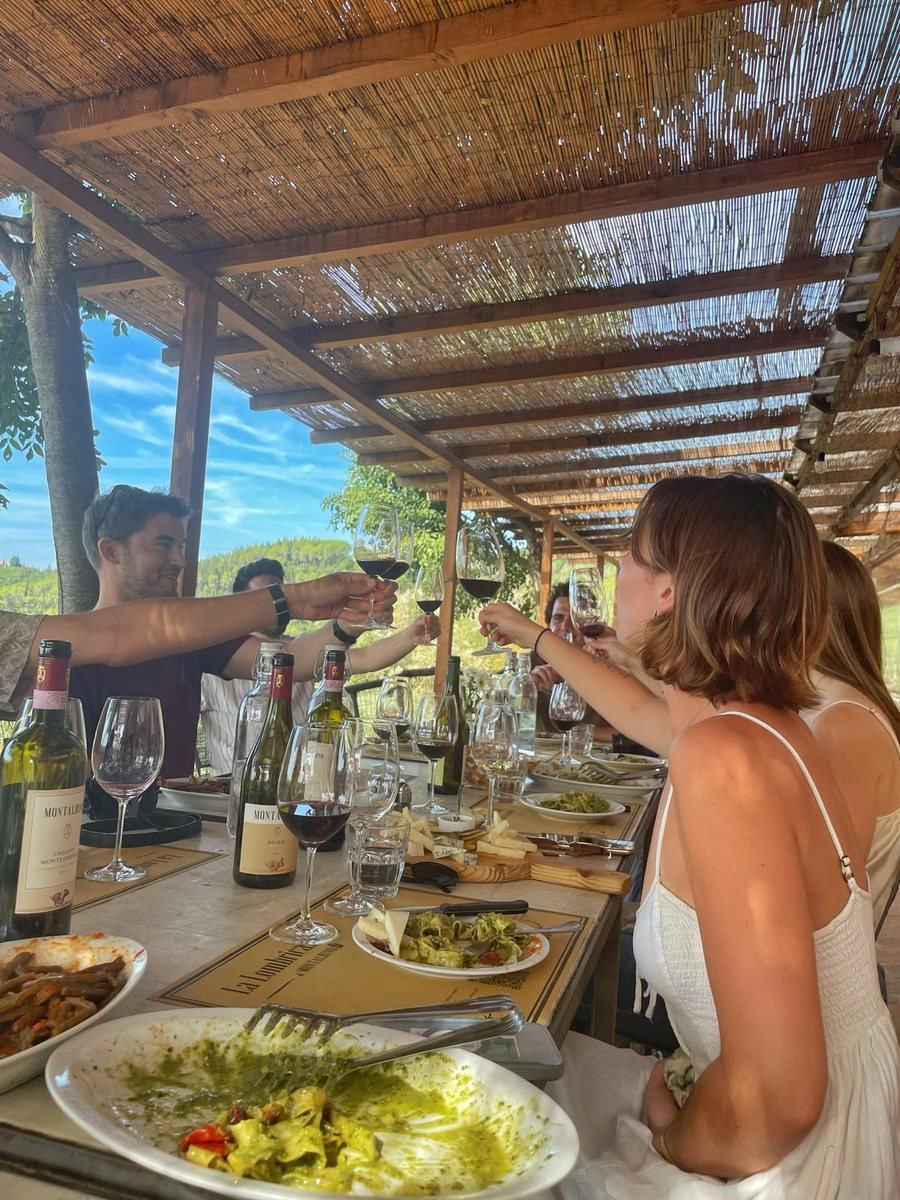
I spend my days with guests in the Chianti hills, so I have a view. Here is the honest version, in five points, and one case where driving does make sense.
1. The wine is the point, and the law has an opinion about it
In Italy the legal alcohol limit for most drivers is 0.05%, lower than the 0.08% most American states use. For drivers under 21 and for those who have held a licence for less than three years it is zero. Tastings are generous here, lunch comes with wine, and nobody pours a thimble. Someone has to be the designated driver, and a designated driver on a wine holiday is a person who spends the best part of the day watching other people enjoy it. And because the limit is lower than at home, even a modest lunch with wine can put you over it. So the question is not whether you are careful. It is whether you want to taste at all. A glass in each cellar and another at lunch, with the time to talk about it, only works when someone else is at the wheel.
2. The ZTL: the fine that arrives after you have gone home
Florence, Siena, San Gimignano, Montepulciano and many other towns have limited traffic zones, the ZTL, watched by cameras. In Florence the zone covers most of the historic centre, and Montepulciano restricts its old town to almost all cars, right where you would like to park. The signs are easy to miss, especially when your phone is telling you to turn left. The fine does not stop you at the gate. It reaches the rental company, who pass on your details and add an administration fee, and the letter finds you months later, back in your own kitchen.
3. The roads are beautiful and not built for GPS
The lanes between the estates are narrow, often unpaved, and sometimes end at a gate that is not the gate you wanted. The default rental car is a manual; an automatic costs more and sells out in high season. None of this is dramatic. It adds up to a day spent watching the road instead of the view.
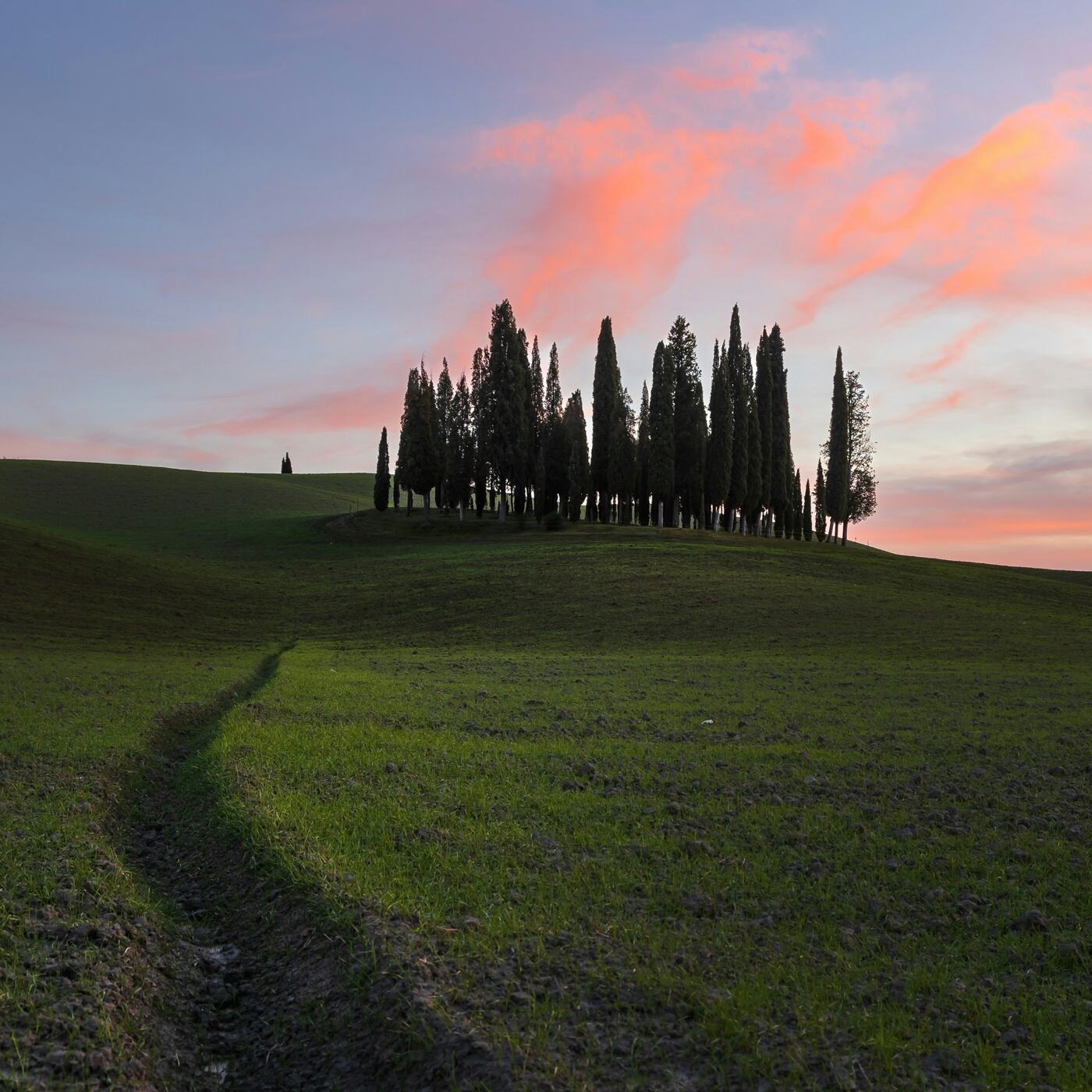
In the Val d'Orcia the famous strade bianche, the white gravel roads, run between the cypress rows and the clay hills. They are the postcard, and they are slow: dust, loose stones, sudden bends, and a rental car you are responsible for.
The medieval villages add their own test. They sit on hilltops, so parking is outside the walls, often a good walk below the centre, and every street inside is a climb or a descent on stone paving that is not kind to heels. After a long lunch, the walk back to the car is a different sport.
4. The best cellars are not on the main road
The small producers, the ones where the person pouring the wine also made it, work by appointment and are rarely signposted. A host who knows the families gets you through the door, and gets you a seat at the table instead of a place in the queue. This is the part you cannot rent.
5. The paperwork nobody mentions
Visitors with a US licence are expected to carry either an International Driving Permit or an official Italian translation of the licence. Most travellers choose the permit: in the United States only AAA and the American Automobile Touring Alliance issue it, it costs around $20 and it lasts one year. Add the insurance excess, fuel, tolls and parking, and the car that looked cheap is no longer cheap.
When driving does make sense
I would not tell you never to rent a car. If you are staying in an agriturismo in the countryside for several nights, you will want one for the evenings and the mornings. The simple solution is to split the week: rent the car for the days you are in the countryside, and leave it parked on the days you want to taste. In Florence you do not need a car at all.
The simple version
Pick-up in Florence, no navigation, no designated driver, no ZTL letter. A local host who tells you why a cellar makes its wine the way it does, a lunch at the table, and a seat in the back where you can look out of the window. That is what a private day from Florence is for.
Questions people ask
Do I need an International Driving Permit to drive in Italy?
Visitors with a US licence are expected to carry either an International Driving Permit or an official Italian translation of the licence, and most travellers choose the permit. Check the current requirement with your rental company before you travel.
How do I get an International Driving Permit?
In the United States it is issued only by AAA and the American Automobile Touring Alliance, the two organisations authorised by the US Department of State. You apply with your licence and a passport photo, it costs around $20 and it is valid for one year. Other websites that sell permits are not authorised.
What is the ZTL in Italy?
The ZTL, zona a traffico limitato, is a limited traffic zone in a town centre, monitored by cameras. Driving in without a permit brings a fine that reaches you through the rental company, often months after the trip.
What is the drink-drive limit in Italy?
The legal blood alcohol limit is 0.05%, lower than the 0.08% used in most US states. It is zero for drivers under 21 and for those who have held a licence for less than three years.
Is it worth renting a car for a wine holiday in Tuscany?
It can be, if you are staying in the countryside for several nights and want to come and go. A simple compromise is to rent the car only for the countryside days and to spend the wine days with a local host, leaving the car parked.