 Tuscan
Chianti Day Trip from Florence: What to Expect and How to Choose
Chianti is one of the easiest day trips from Florence: the first vineyards start about 30 minutes from the city, and a good day fits in two cellars, a long lunch and a village or two. What changes the day is how you do it.
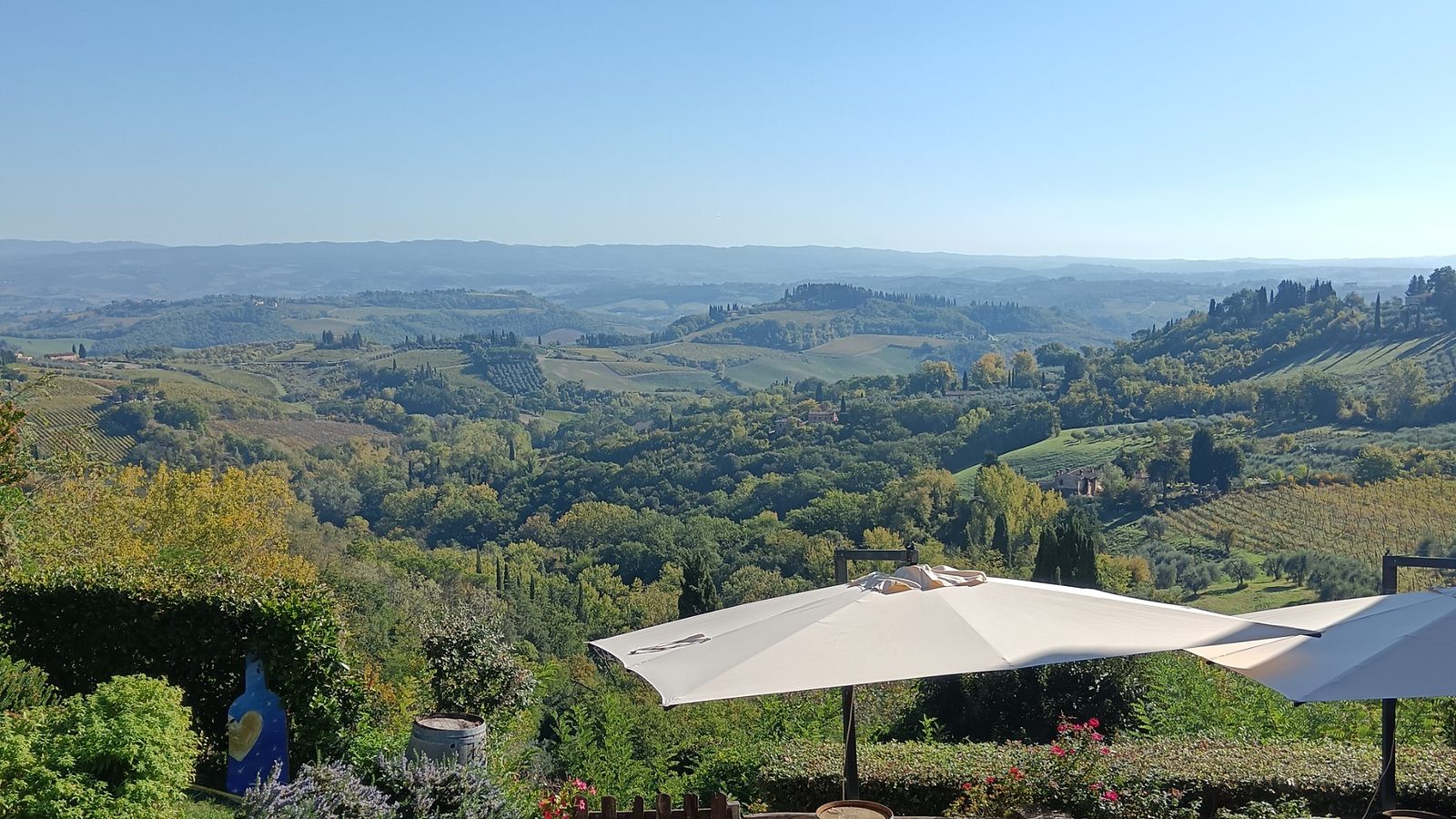
This guide explains the distances, the wine, the best months and how to choose between a private tour, a group tour and driving yourself.
How far is Chianti from Florence?
The Chianti Classico area lies between Florence and Siena, a strip of hills about 45 miles, or 70 km, long. From Florence you reach the first villages in 30 to 45 minutes by car along the Chiantigiana road. Greve in Chianti, Panzano, Castellina and Radda are the names you will hear most often, and each has a different feel: Greve has the market square, Panzano has the views, Castellina and Radda are quieter and higher up.
A day trip usually runs 6 to 8 hours door to door. That is enough for two visits, lunch and a stop in a village, without rushing. A third visit is possible but leaves little time to sit and talk.
Chianti or Chianti Classico?
This is the question that confuses most visitors, and a good guide answers it in the first ten minutes.
Chianti is not one place. The Chianti denomination has seven zones, each with its own soil, altitude and character:
- Colli Fiorentini, south and west of Florence
- Rufina, northeast of Florence, cool and high
- Colli Senesi, around Siena
- Colli Aretini, towards Arezzo
- Colline Pisane, towards Pisa
- Montalbano, the hills around Vinci
- Montespertoli, the hills southwest of Florence
Chianti Classico sits beside them as the historic heart, between Florence and Siena, with its own denomination. Its bottles carry a black rooster, the Gallo Nero, and the wine is made mainly from Sangiovese. It is by far the most visited zone, and it deserves the fame. But the most visited does not mean the best: every zone makes wines you will not find on the usual routes.
That is where a Tuscany off the beaten path begins. Family cellars, carefully chosen, across all the zones of Chianti: so you can compare, taste, and above all discover good wines, not only the famous labels. On the label of a Chianti Classico you will also find three levels, from the everyday Annata to the Riserva and the Gran Selezione, which comes from the best fruit and ages longer.
What a good day looks like
| Time | What happens |
|---|---|
| 9:30 | Pick-up at your hotel or apartment in Florence |
| 10:30 | First visit: walk the vines, see the cellar, taste with the person who makes the wine |
| 12:30 | Second visit or a village stop, depending on the group |
| 13:30 | Long lunch with local dishes, often at a family table |
| 16:00 | Slow drive through the hills, a last stop for the view |
| 17:30 | Back in Florence |
Private tour, group tour or driving yourself?
| Private tour | Group tour | Self-drive | |
|---|---|---|---|
| Pace | Set by you | Set by the group | Set by you |
| Tasting | Everyone can drink | Everyone can drink | The driver cannot |
| Access | Small family cellars that do not take big groups | Larger, set stops | Only what you can book yourself |
| Planning | Done for you | Done for you | You book, navigate and park |
| Best for | Couples, families, friends, anyone who wants to ask questions | Solo travellers on a budget who enjoy meeting people | Confident drivers who skip tastings |
The real cost of driving yourself is not the car. It is the designated driver, who spends the best part of the day sipping water, and the narrow country roads, where a missed turn can cost an hour. A private guide who also drives solves both, and that is why most couples and families who want to taste properly choose a private day.
The days guests remember
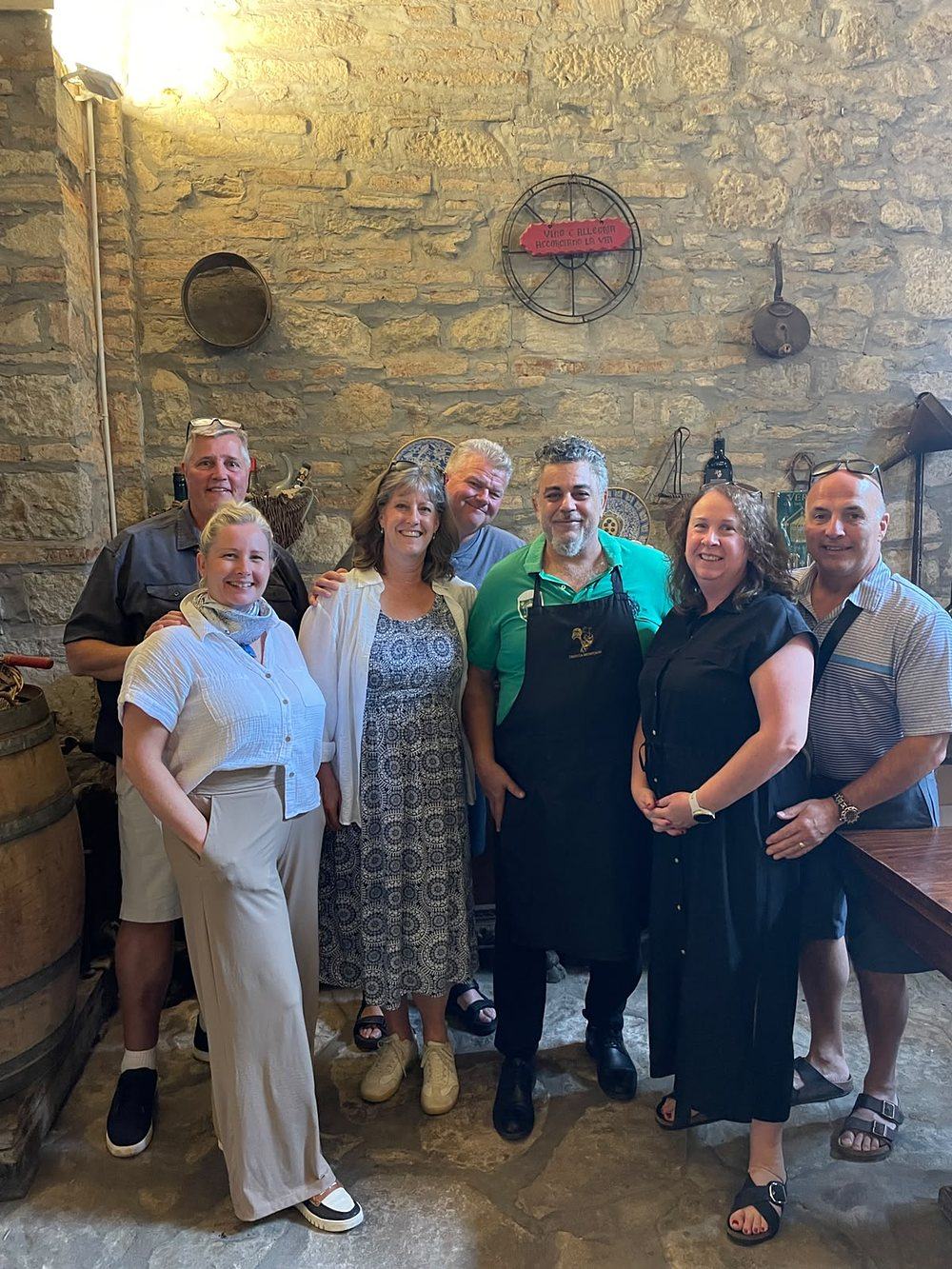
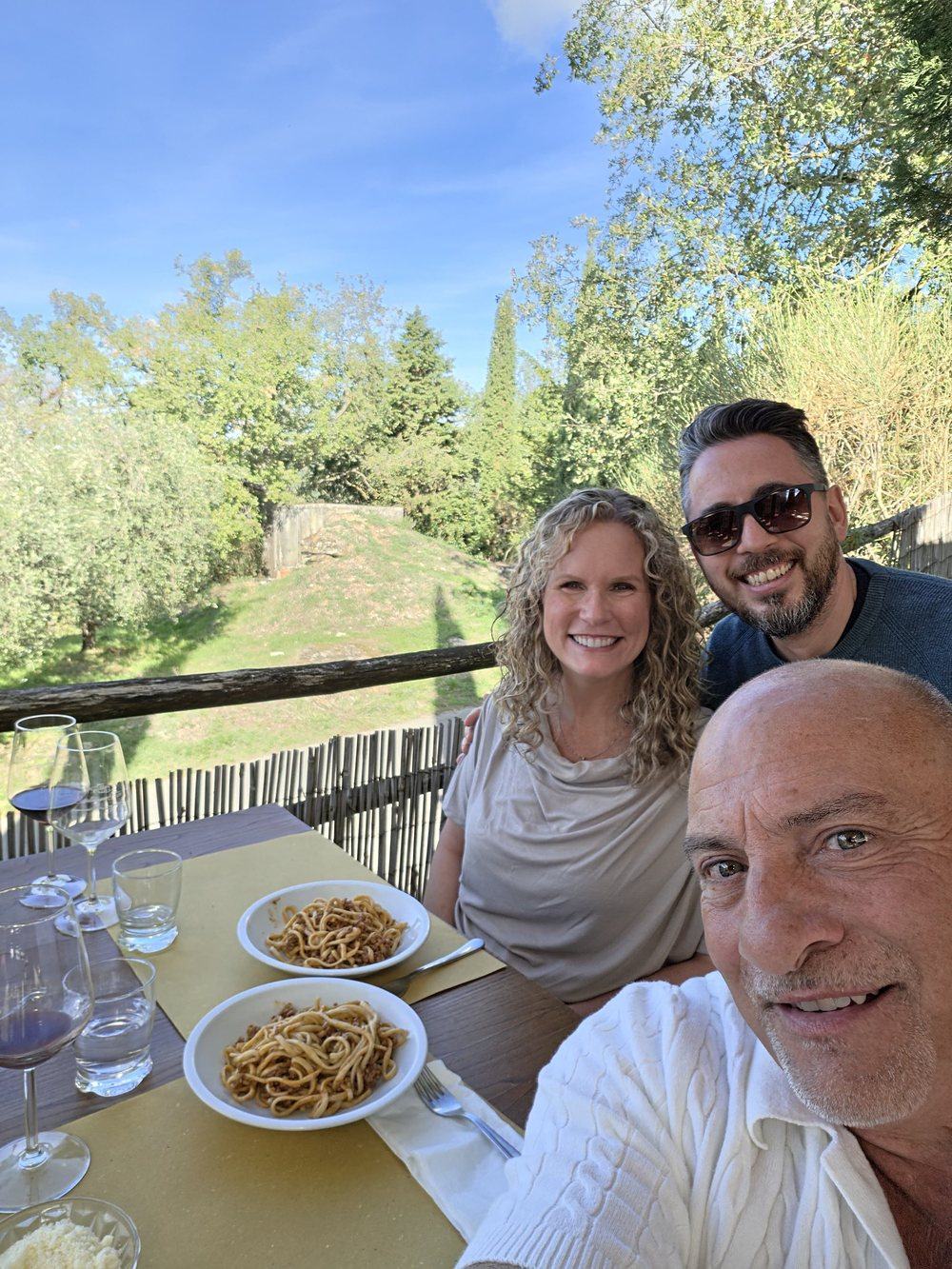
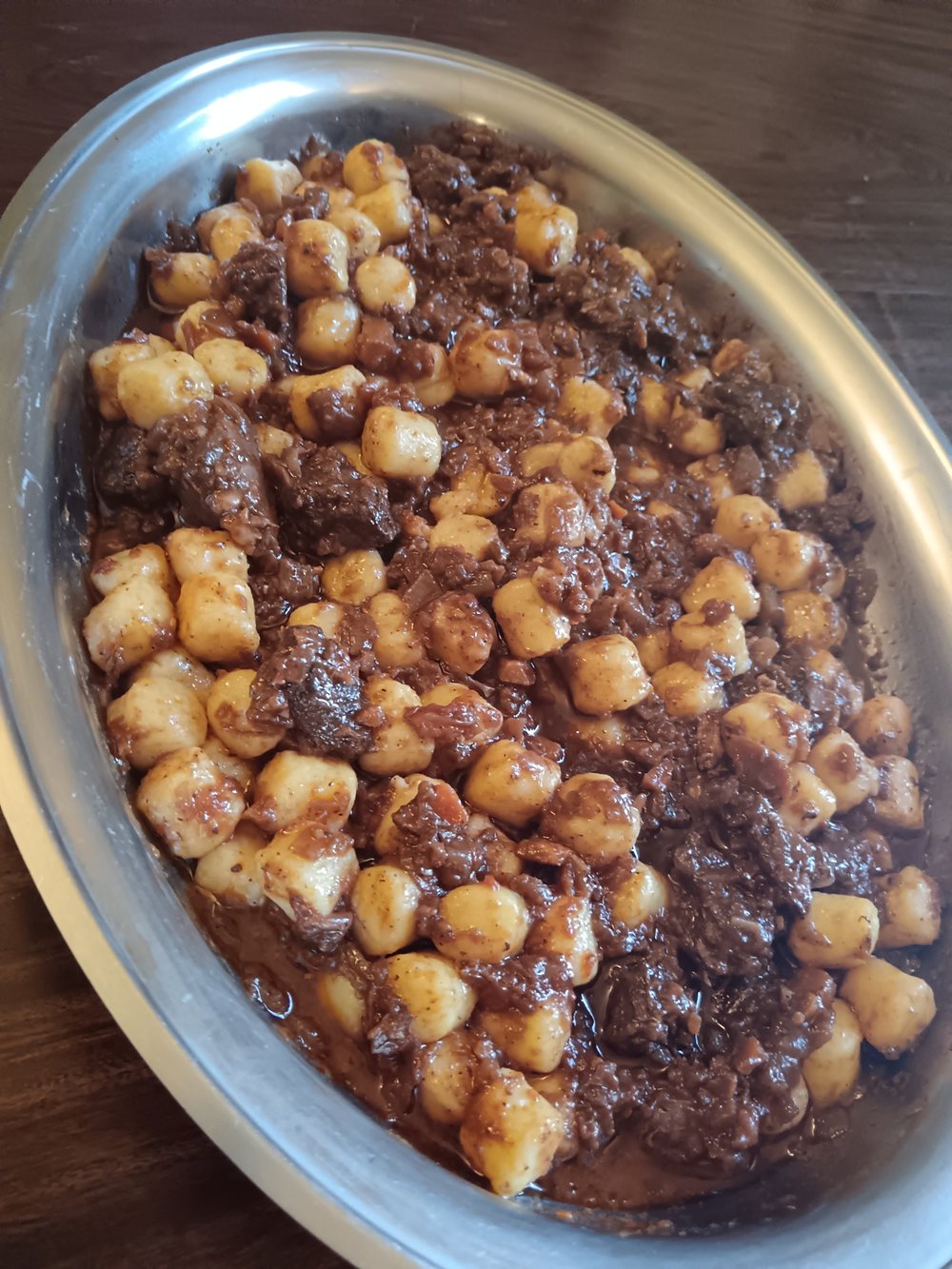
Nobody writes home about a tasting list. They write about the day the cellar's cook made wild boar ragu with fresh gnocchi and everyone walked out of lunch in a happy food coma. Or the Carbonara Day that turned into a friendly challenge between me and the cellar's chef: we cooked side by side, compared the best versions, and the guests asked for a second plate because it was simply too good.
Then there is the road itself. The lanes of Chianti wind through the hills so gently that even at 30 miles an hour in a van, with the windows down, you feel like you are in a film from the Dolce Vita years: wind in your hair, holiday air, the slow rhythm of a proper trip.
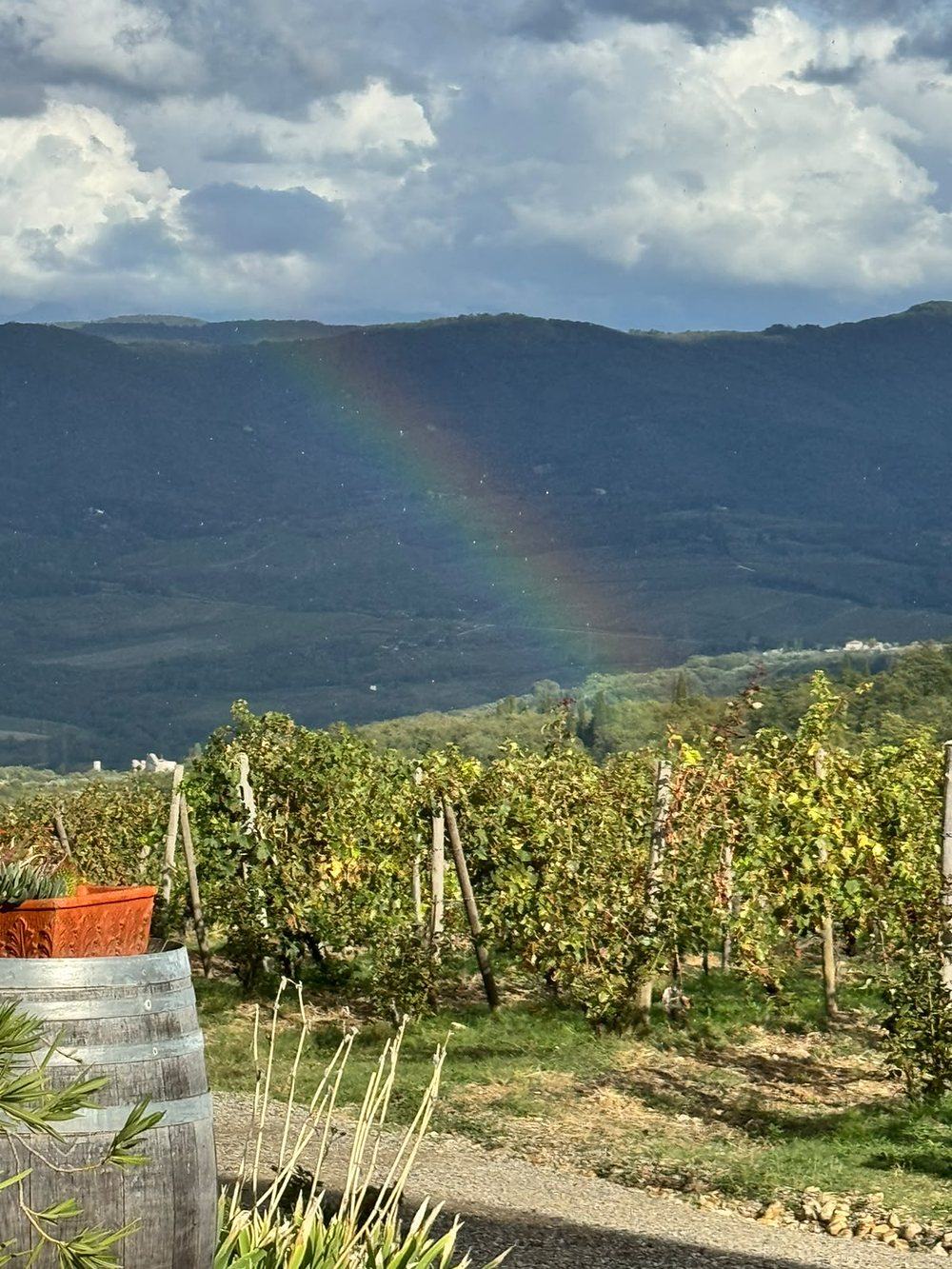
And some of the best moments are views. One of our family estates grows certified organic grapes on the same ridge as some of the most famous names in Chianti, and makes a pure Merlot that stands comfortably next to far bigger labels. You taste it with that valley in front of you. This is what we mean by off the beaten path: not secrets for their own sake, but small producers whose wines and welcome you will not find on a standard route.
How to choose a Chianti tour
Before you book, ask these five questions.
- Who will take me around? A guide who knows the wine and the people, or a driver who drops you at the door?
- How many people share the vehicle? Large groups mean large cellars and short tastings.
- Do I taste with the person who makes the wine? In a family cellar this is the difference between a tasting and a conversation.
- Is lunch part of the day? A real lunch, not a snack plate, changes the whole rhythm.
- Can the day change if we want something different? If the day is fixed, it is a product. If it bends, it is a trip.
These are the questions we built our Chianti days around. You can see them in the Chianti wine tour from Florence and, if you prefer villages to cellars, in the Chianti villages day, with Panzano, Greve and Impruneta.
When to go
- April to June: green hills, comfortable temperatures, wisteria and roses in the villages.
- July and August: cicadas, long hot days and a Tuscany full of summer scents and unique aromas, with breathtaking views to enjoy in the shade. Start early, make lunch long and let the afternoon slow down.
- September and October: harvest, gold and red vines, the best light for photographs.
- November to March: quiet roads, log fires and fewer visitors. Some small estates open only by appointment, which a local guide handles for you.
For a full month-by-month view, with real temperatures and what happens in the cellars, read our guide to the best time to visit Tuscany for wine.
Practical tips
- Wear flat, comfortable shoes: vineyards and cellars have uneven ground.
- Bring a light layer: cellars stay cool even in summer.
- Tell your guide about allergies, mobility needs or children before the day. A good guide will plan around them.
- Do not plan a late dinner in Florence for the same evening if you enjoy a long lunch.
- You can buy wine and have it shipped. Ask before you book if this matters to you.
Questions people ask
Can I do Chianti in half a day?
It is possible, but a full day gives the best balance: two visits, a long lunch and no rush. It is the day we run.
Do I need to speak Italian?
No. A good guide translates and explains in English.
Is it suitable for children?
Yes, with a private day. Children enjoy the animals, the cellar and the open space, and the pace can follow them.
Can I combine Chianti with another place?
Many visitors pair it with San Gimignano or Siena, but this makes for a longer day with less time at each stop.