 Tuscan
Best Time to Visit Tuscany for Wine, Month by Month
There is no bad month to taste wine in Tuscany, only different Tuscanys. The vines, the cellars, the light and the crowds change every few weeks, and the right month depends on what you want to see, taste and avoid.
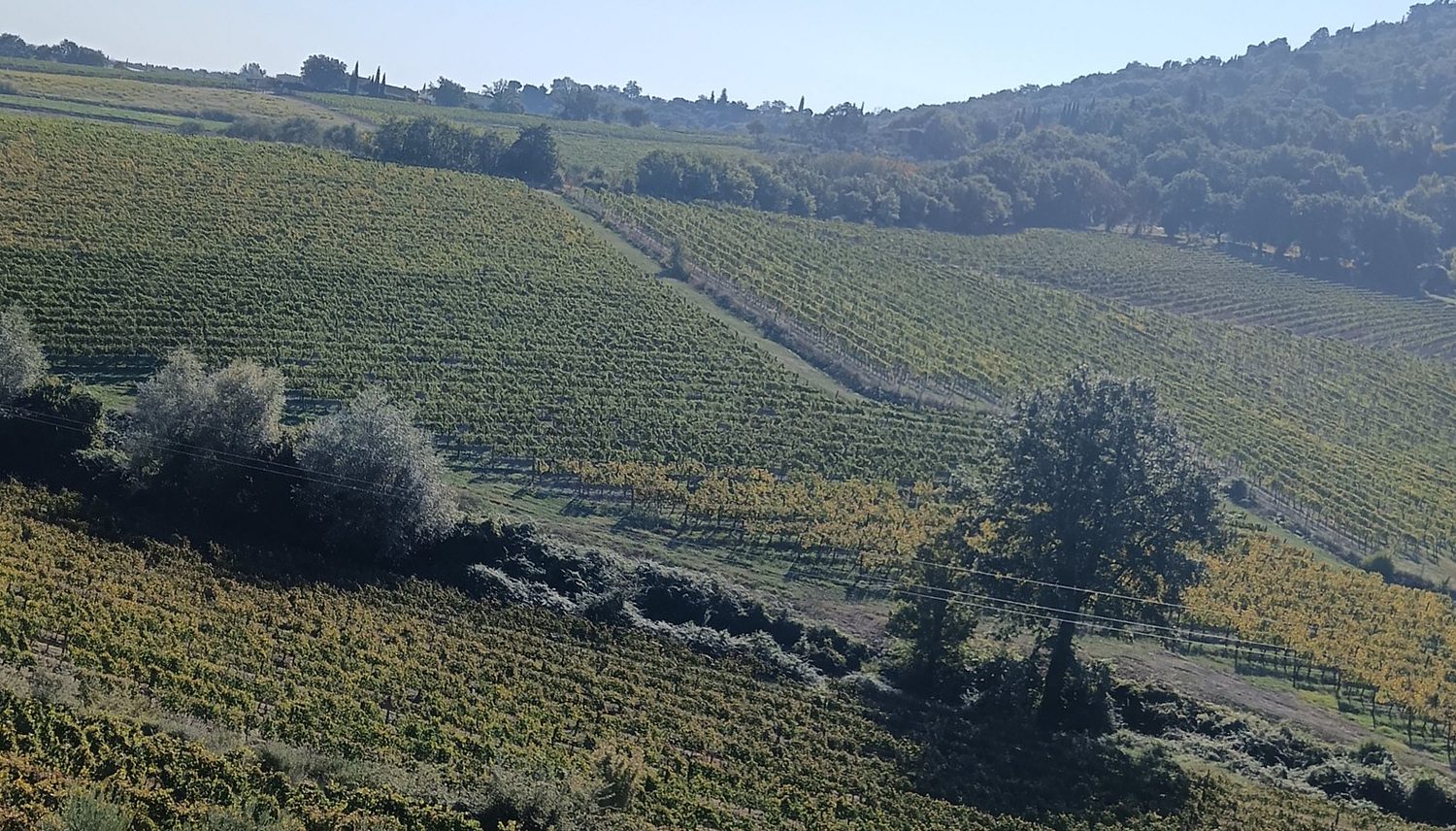
I work in these hills every week of the year, so this is not a list copied from a weather site. Below you will find the short answer, a month-by-month table with real temperature figures, and what guests actually see in the cellars during the harvest.
The short answer
- Best balance of weather and wine: late April to June, and September to mid-October.
- Best for seeing the harvest: September and the first half of October.
- Best for truffles and food: mid-October to late November.
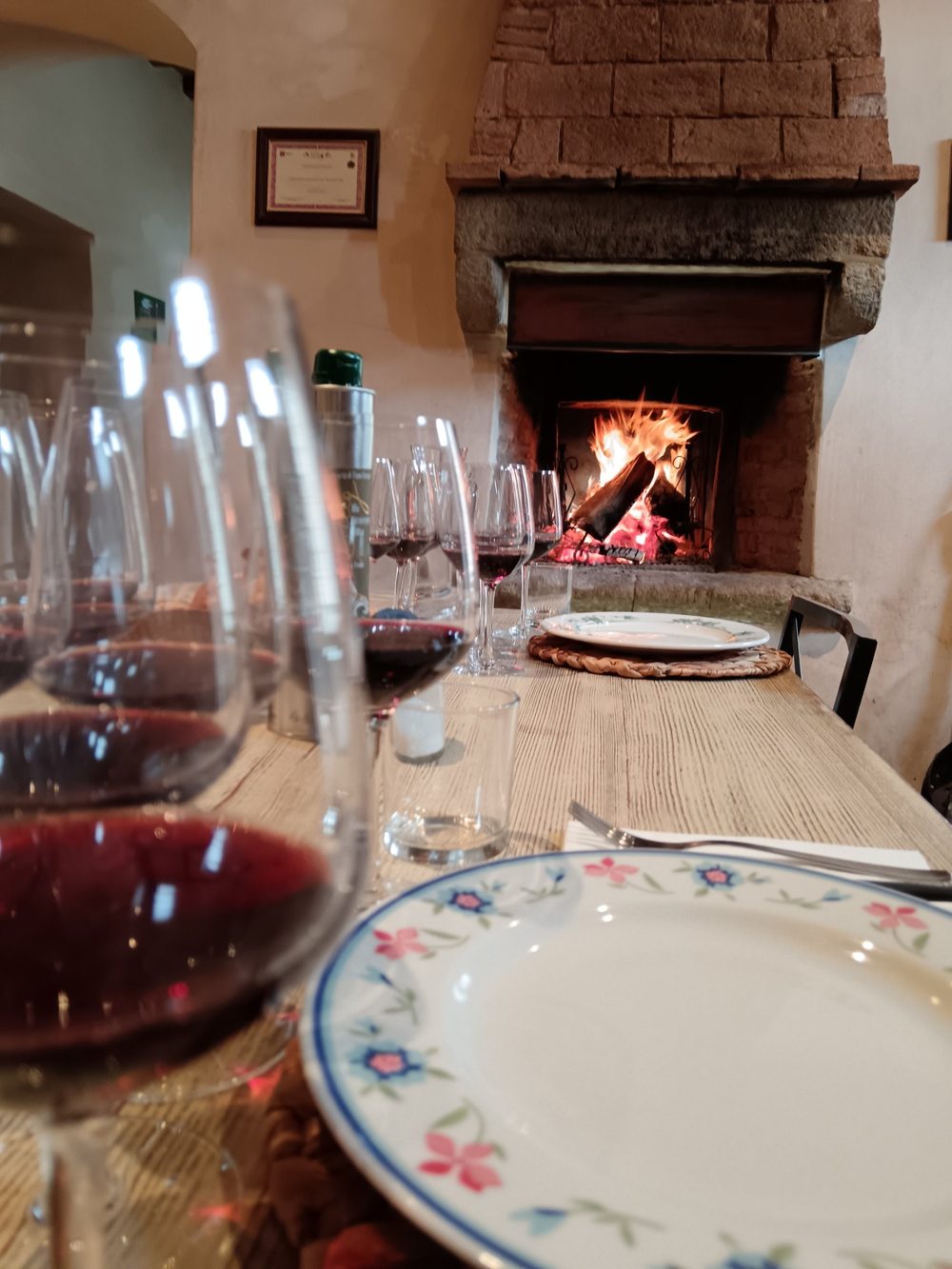
- Best for quiet roads and long lunches at the fireplace: November to March.
- The month everyone warns you about: August. It is hot, but it can be a very good month if you plan the day properly (more on that below).
Month by month
The figures are monthly averages for Florence, rounded. The hills of Chianti and the Val d’Orcia are usually a few degrees cooler in the evening and at altitude.
| Month | In the vines and cellars | Avg high | Rainy days |
|---|---|---|---|
| January–February | Pruning in the vineyards, wine resting in the cellar, log fires and quiet tastings | 9–11°C | 11–13 |
| March | Last pruning, the first green in the hills, olive groves being tidied | 14°C | 13 |
| April | Buds open, wisteria and roses in the villages, the hills turn bright green | 18°C | 13 |
| May–June | Flowering of the vines, long light evenings, ideal weather for walking in the vineyards | 23–26°C | 10–12 |
| July–August | Grapes change colour, cicadas, hot days, sunrise and sunset walks. In late August the first white grapes can arrive | 29–30°C | 7–8 |
| September | The harvest begins, with long days in the cellar and the first Sangiovese | 26°C | 9 |
| October | The main harvest, red and gold vines, the start of the white truffle season | 20°C | 11 |
| November | Olive harvest and new oil, white truffle at its peak, the first fires of the year | 14°C | 14 |
| December | Cellars at work, quiet roads, a good month for a long lunch | 10°C | 12 |
The dates of the harvest move with each year and each estate. As a rule, Chianti Classico picks its Sangiovese from mid-September to early October, Montalcino runs a little later into October, and the white grapes can come in earlier, at the end of August.
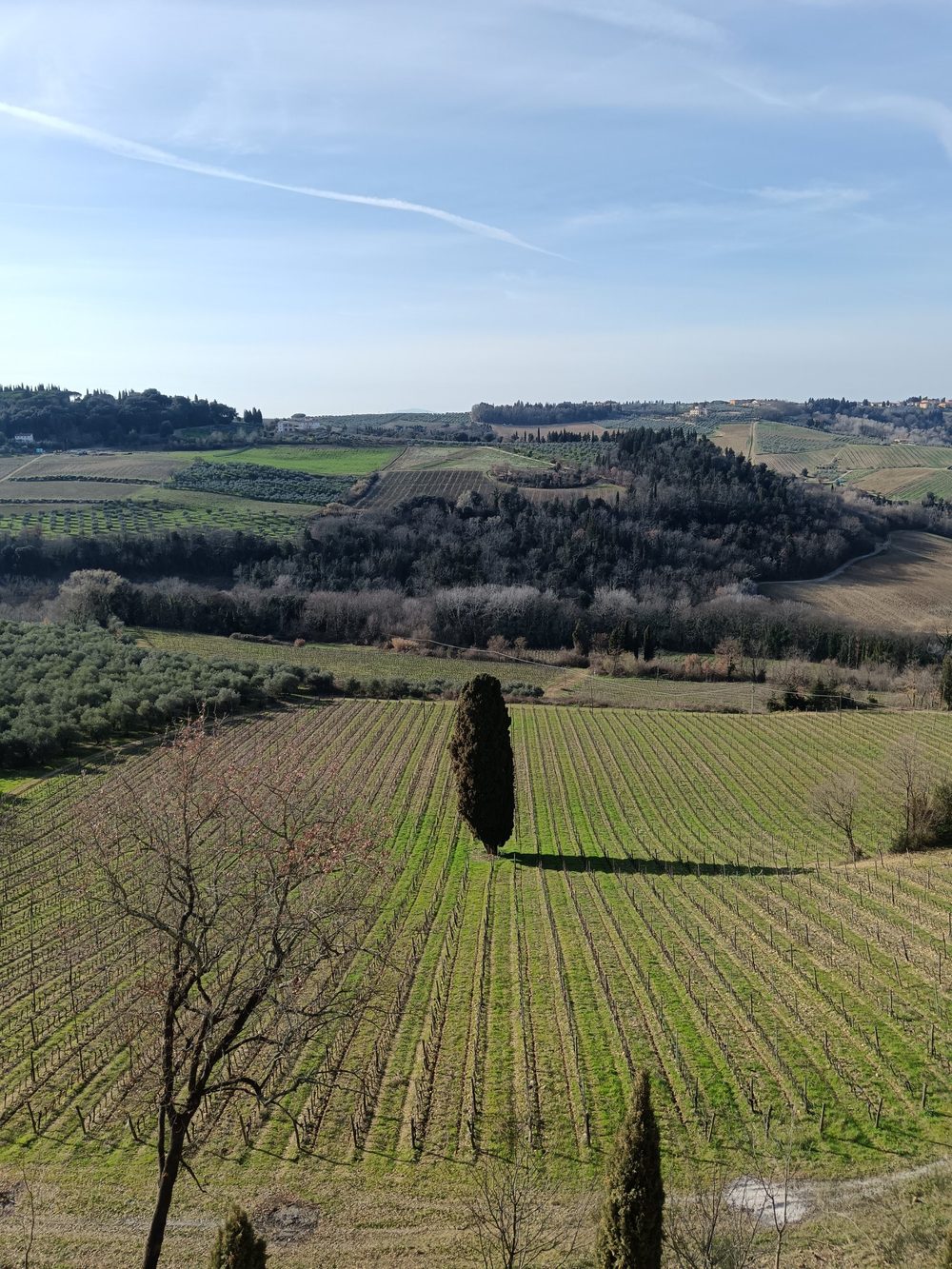
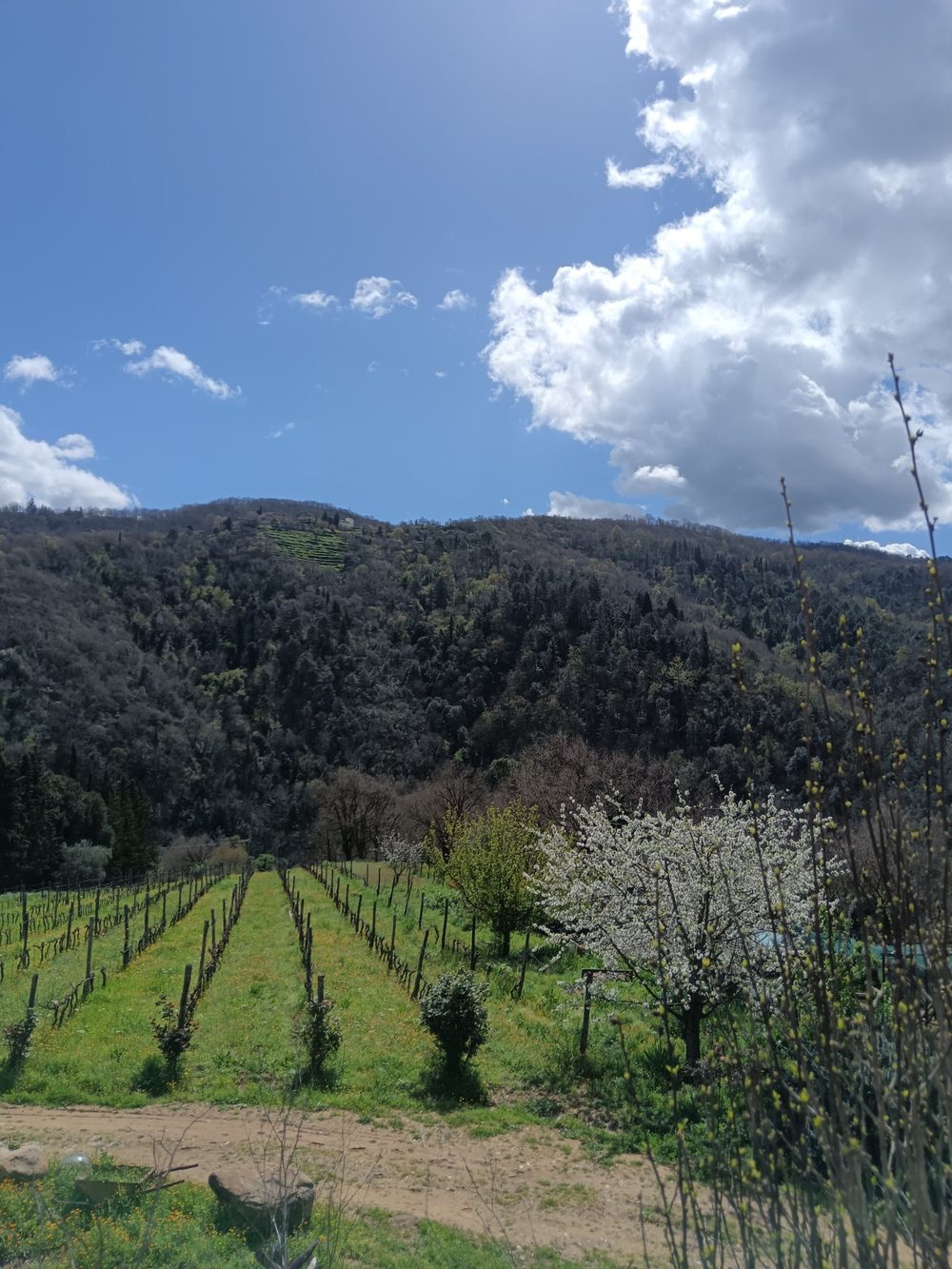
What a harvest day really looks like
People imagine a harvest as a show. It is not. The cellars work whether or not anyone is visiting, and nothing is planned for the guests. That is exactly why it is worth seeing.
Depending on the estate and the week, you may arrive and find the destemmer running, a tractor pulling in loaded with grapes, the first pressing, or, at the end of August, the white must being settled and racked. This year one of our family estates had a very long vintage, almost a month, so there were many loads of grapes coming in, the destemming of the berries and the maceration in barrique the estate does every year. At another cellar, guests were able to watch the destemming often, and the hand selection of the best berries for the estate’s top Chianti.
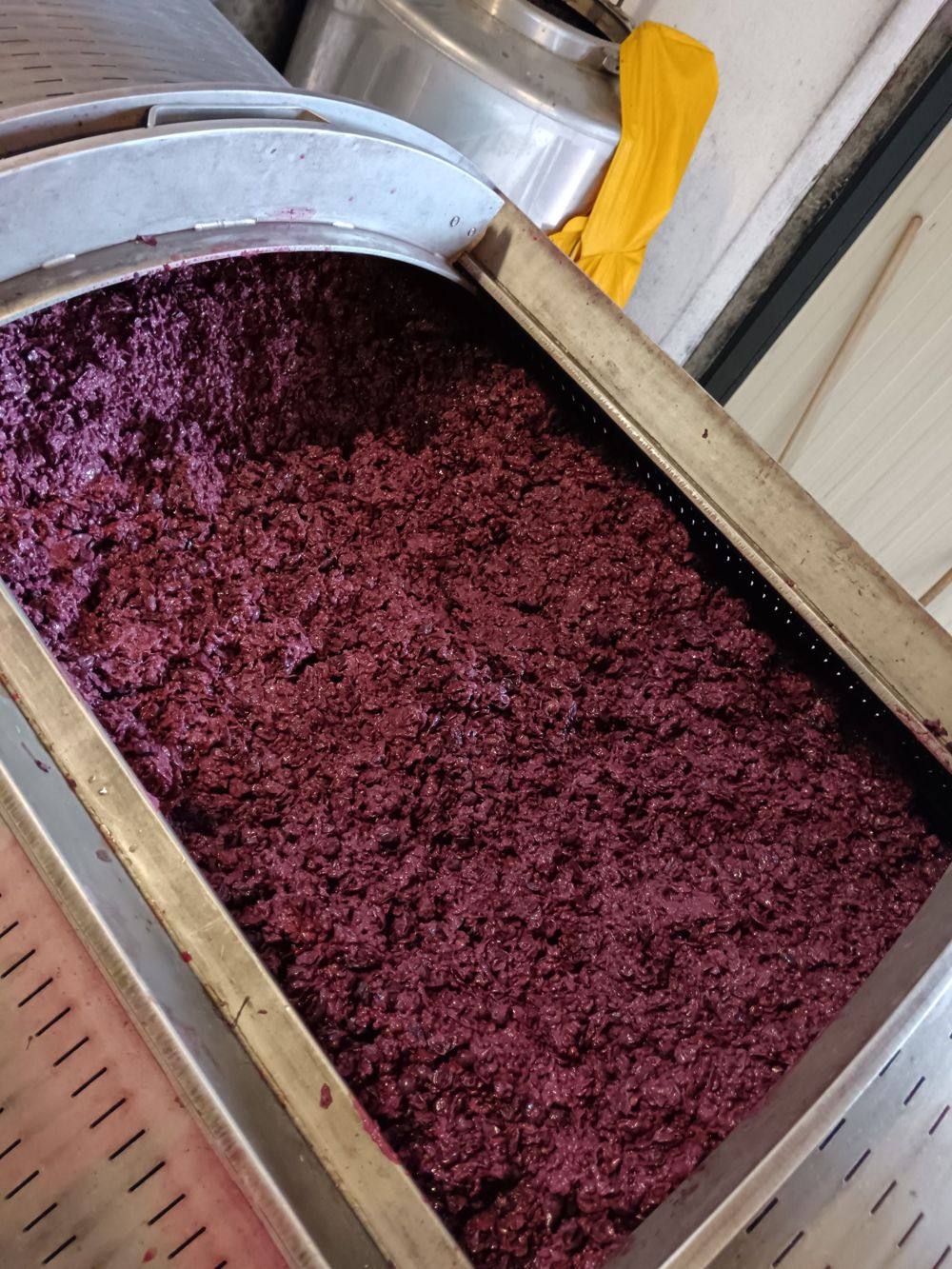
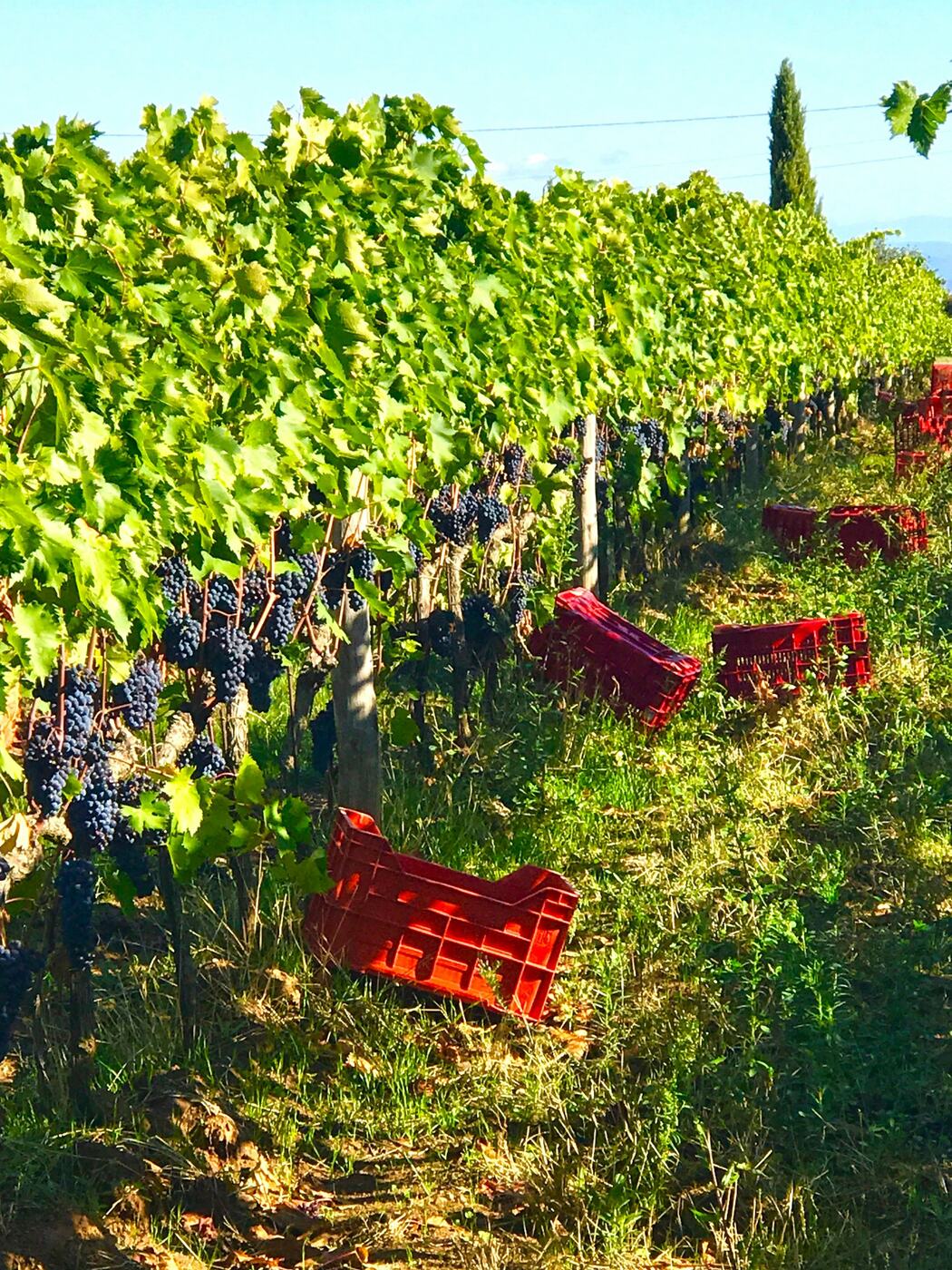
Because nothing is staged, we cannot promise which phase you will see. What we do is call the estate before the day and choose the visit that fits the week.
August: the month people warn you about
August is hot, and the big cities are at their hardest. The pavements of Florence are boiling, and the queues are long. But Tuscany in August is not only the city.
If you avoid the crowded centres and plan around the heat, you have a river for a swim, a shaded cathedral, a walk in the vineyards at sunrise or at sunset, and that scent of summer you will not find in any other month. The forests of the Casentino stay mild and shaded, and are perfect for a picnic. The rule is simple: start early, make lunch long, and let the afternoon slow down.
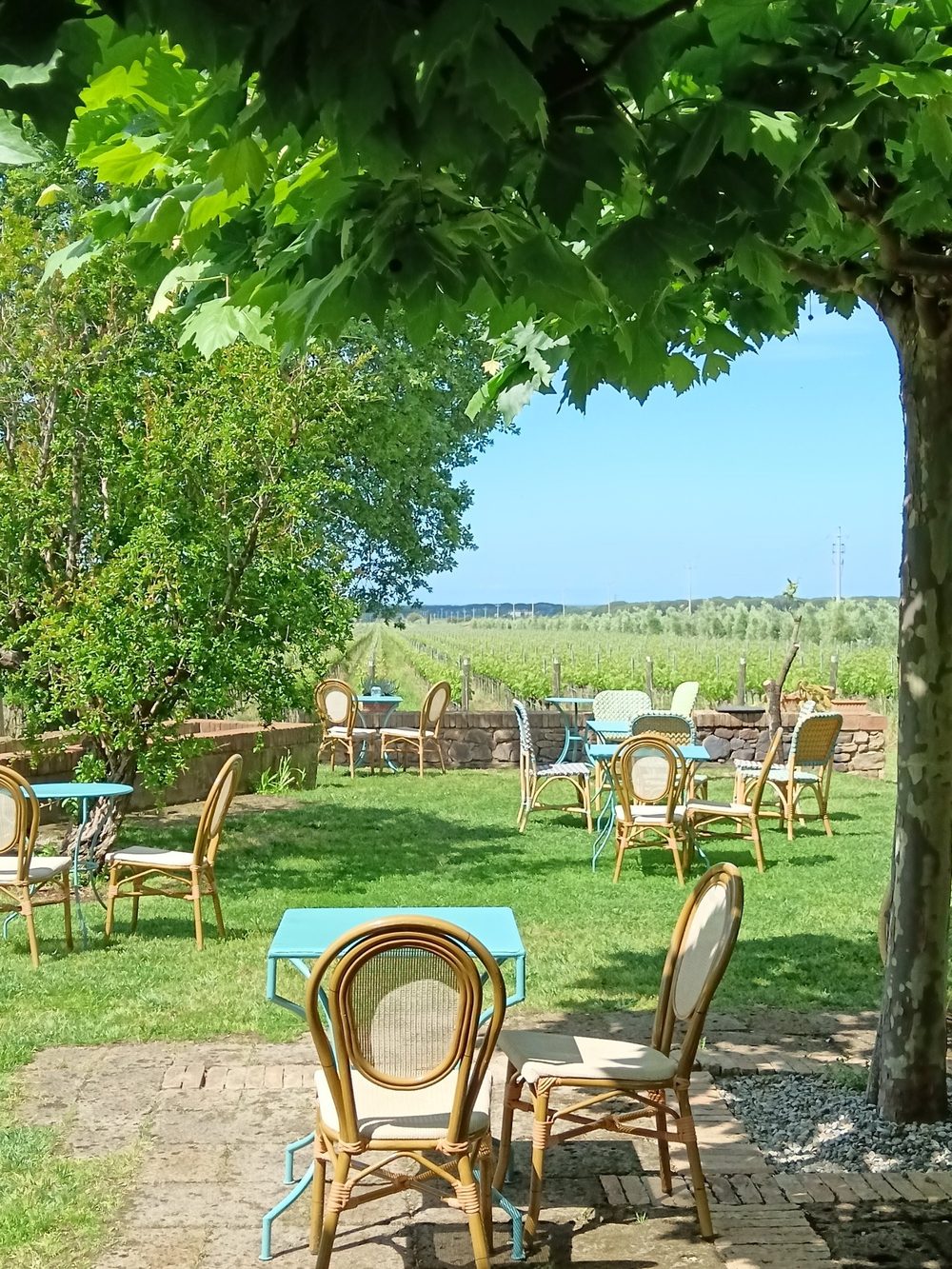
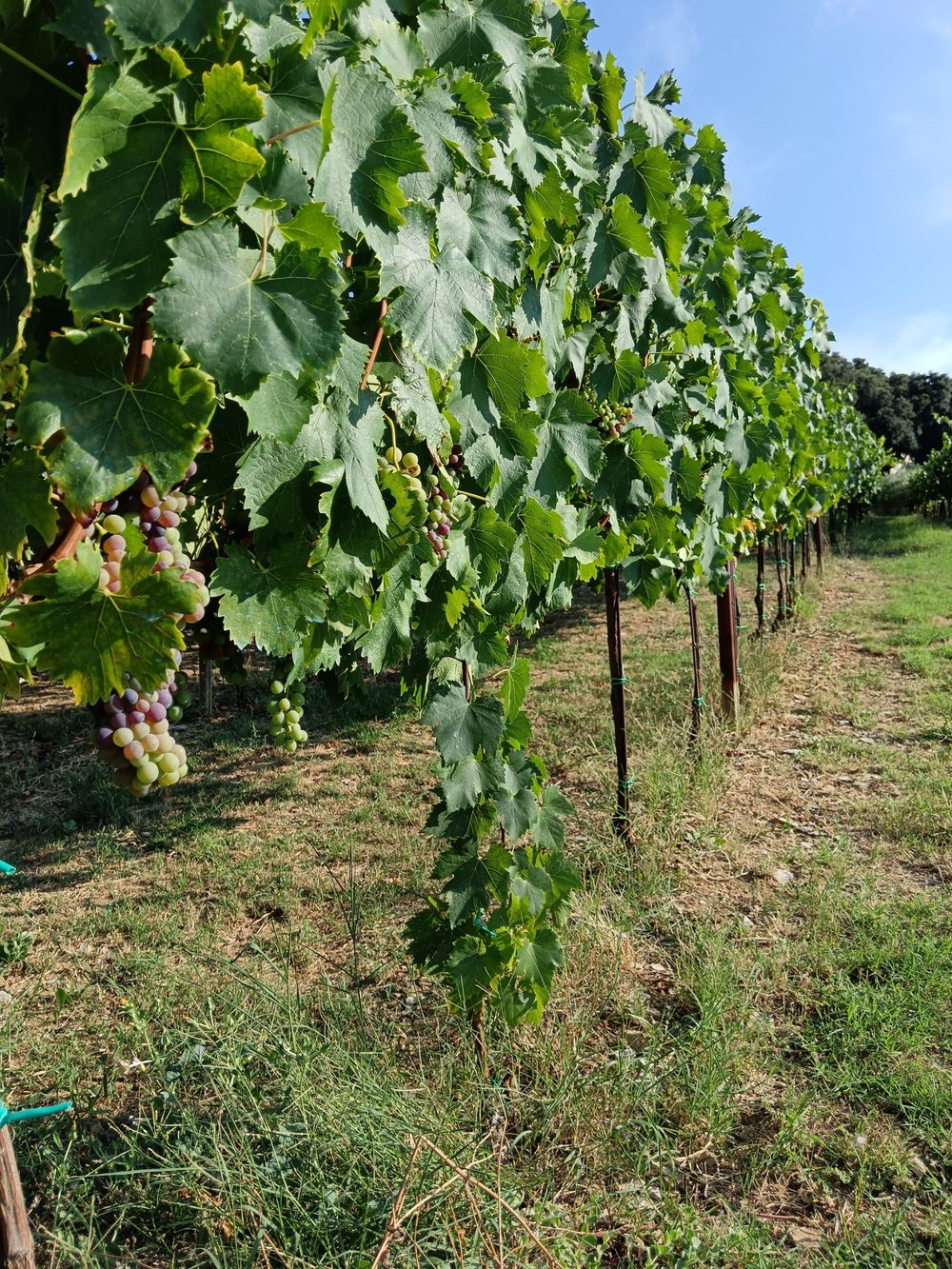
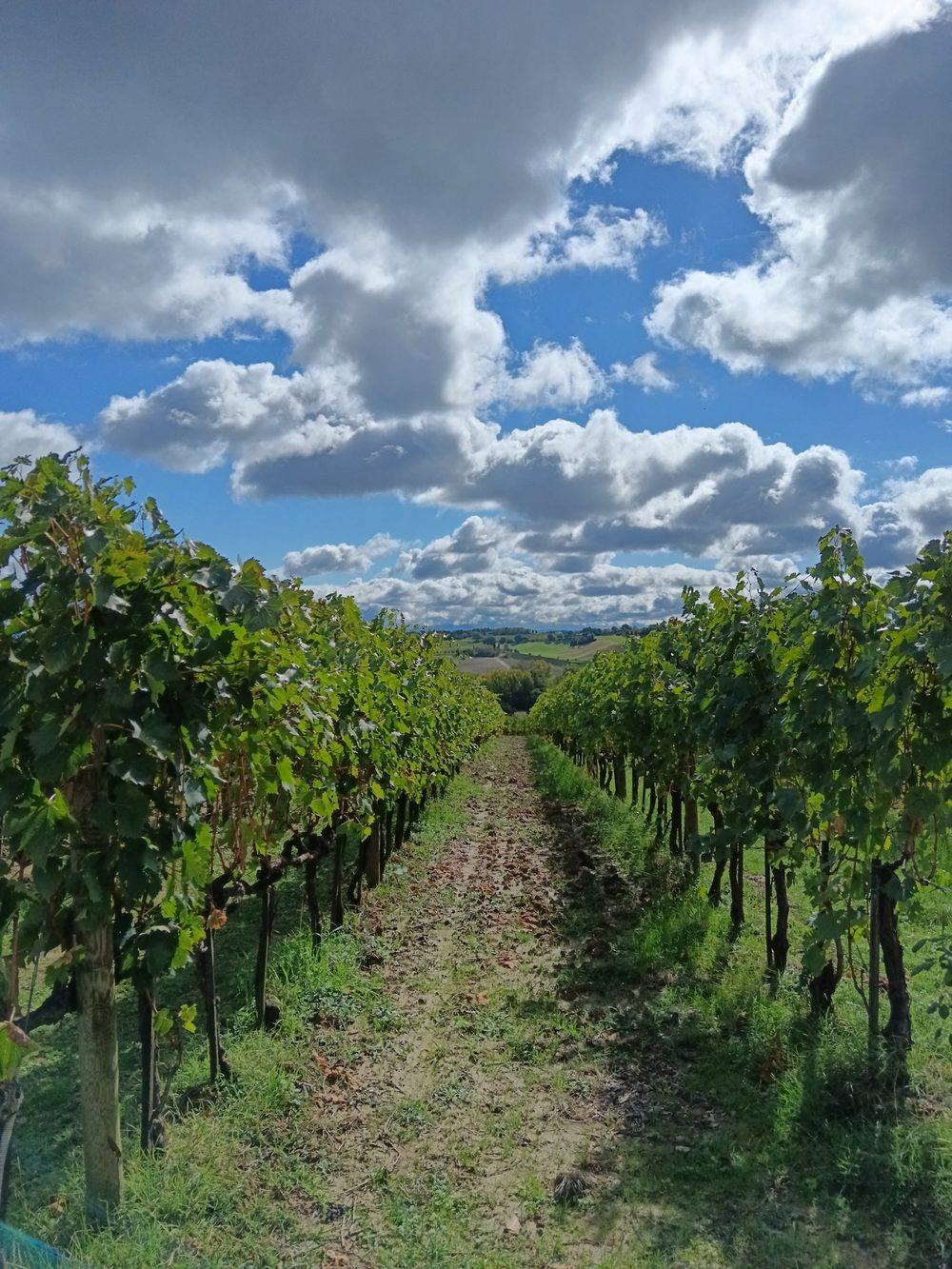
You will also hear the cicadas. American guests sometimes arrive nervous because of the swarms they remember at home, but in Tuscany the cicadas are just the sound of summer.
Tuscany is a place to come in any month. The trick is knowing where to go and what to visit in that month.
And if it rains?
When it rains, I tell my guests they are still lucky: the day could have been sunny, and spent in an office in New York on the 57th floor. A cellar is at its best on a grey day, and the hills come out of the clouds with a different light. If you are lucky you also get a rainbow, like the one in the photo above.
November: truffles, oil and fireplaces
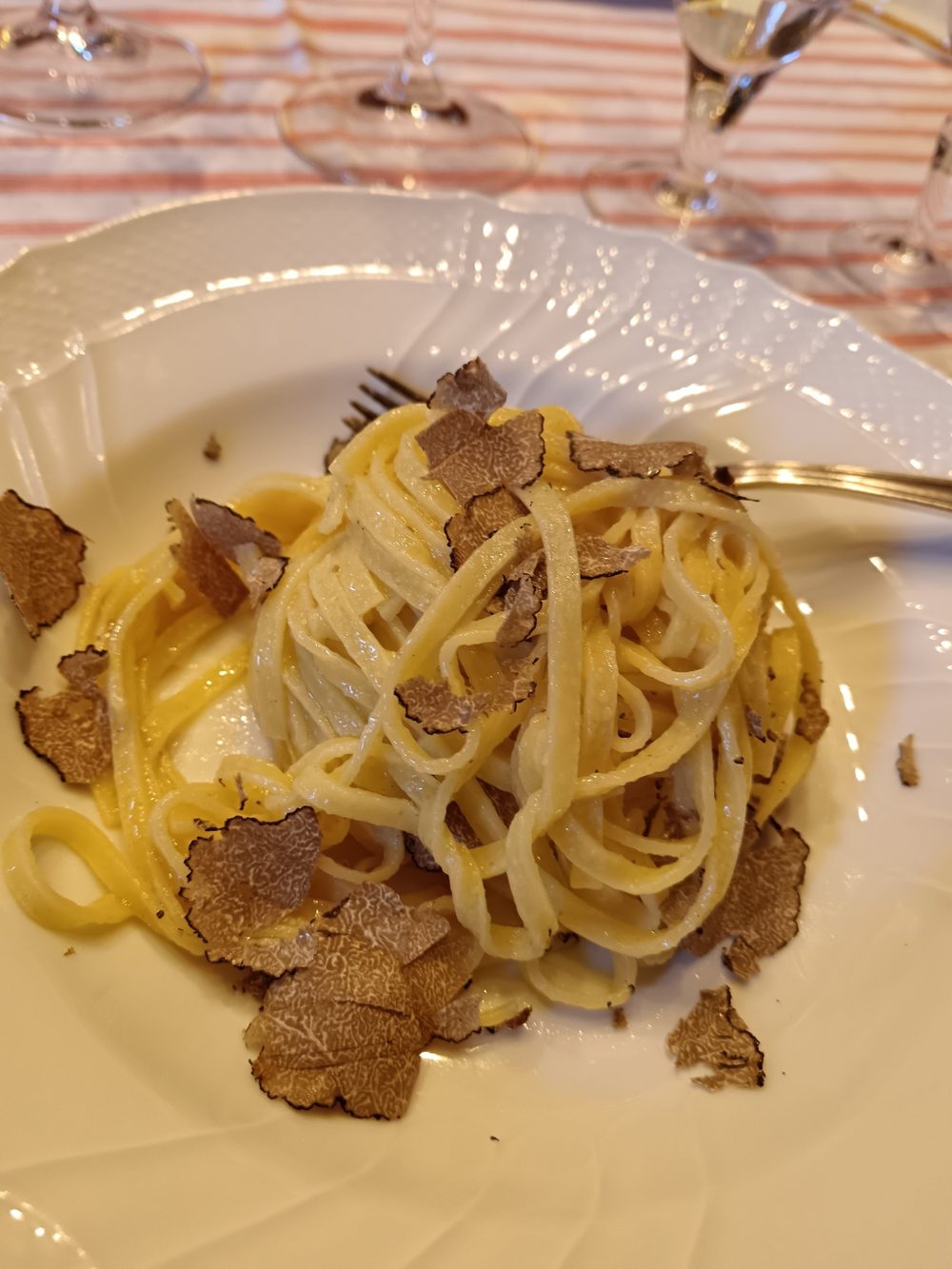
From mid-October to late November the white truffle season is at its peak, and the olive harvest follows, with the new oil ready in the first days of November. The hills turn gold, the air smells of woodsmoke, and lunch becomes the centre of the day. If you love food as much as wine, this is my favourite time. We have written about a morning with the truffle hunters and their dogs, and the village truffle fairs fill many weekends of the autumn.
The two questions I hear every day
Whatever the month, as soon as we start driving, guests see the road signs and ask the same two things. First: “Does it ever snow here?” because of the snowflake sign on the road. In the hills of Chianti it is rare, a light dusting in some winters that is gone by lunchtime. In the Apennines and the Casentino the snow is real. Second, a minute later: “Do you have deer?” because of the other sign. Yes, we do, and wild boar too, usually seen at dawn or at dusk.
Which month for which trip
- First time in Tuscany: May, June or late September. Good weather, everything open, and a full programme of visits. See our Chianti day trip guide.
- You want to see the harvest: September and the first half of October. Tell us in advance, and we will pick the right estate for the week.
- Brunello and the south: spring and autumn. Here is our Montalcino day.
- Truffles and long lunches: mid-October to late November.
- Escape from the heat in summer: a private day in the Casentino forests, with early starts and a long lunch in the shade.
- Quiet and romantic: December to March, with fewer visitors and the fireplace lit.
Questions people ask
When is the grape harvest in Tuscany?
Usually from late August to mid-October. White grapes come first, Sangiovese in Chianti Classico from mid-September to early October, and Montalcino runs a little later. The dates change with each vintage and each estate.
Can I visit a winery during the harvest?
Yes, with a private visit arranged in advance. The cellars work on their own schedule, so what you see depends on the day: destemming, a tractor of grapes, pressing or tasting with the winemaker.
Is August too hot for a wine tour?
It is hot, with average highs around 29 to 30°C in Florence, but a good day starts early, has a long lunch in the shade and keeps the afternoon slow. Cellars stay cool all year.
When is the white truffle season?
The peak runs from mid-October to late November, with truffle fairs in the villages on many autumn weekends.